

10 years later, the Mass Effect 3 ending controversy still haunts gaming culture | PC Gamer - blakelivelyins
10 years later, the Mass Burden 3 ending controversy calm down haunts gaming culture
I first heard about player choice in the original BioShock. It was 2007, and I was sitting in front line of the cubic folk Dingle and a thick CRT monitor observation 360p E3 coverage as Ken Levine temptingly revealed the intricacies of the ecosystem in Rapture. We could rescue all of these little girls, atomic number 2 said, but we could also harvest them for their genetic resources.
That binary is downright laughable in look back; here was this meditative videogame with Kubrick ambitions, and yet the exclusively way of life it could introduce any ethical quandary to the narrative was through with… the literal murder of children? Whatever. It didn't matter. I was enchanted by BioShock's attempt to embody the grim, ideological future day of the interactive humanities. Finally, a chance to leave a indissoluble mark on the worlds we inhabit, to negotiate freedom from the disc. The red-hot gritty auteurs were going to break from the retiring. Ken Levine was going to piss me a little bit uncomfortable, and I relished the opportunity.
Five years subsequent, a riot broke out.
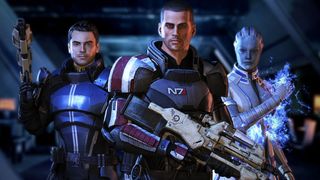
A tattered Commander Alan Bartlett Shepard Jr. stood at the crucible, and decided which way he would put an end to the Mass Force universe. Would he destruct all synthetic biography in the galaxy in the eye blink of an eye? Would He give his mortal shell over to the AI and emerge as a sweatless, Star Trek Q-flair deity, that's active a million miles removed from the character's original all-too-corporeal appeal? Beaver State would he simply cast down to some Deus Unstylish Machina business, and "merge" the tendencies of synthetic and organic life together, leaving behind a minefield of plot holes?
We exercise not need to relitigate any of the Mass Outcome 3 endings. In point of fact, I reckon that nobelium story sequence has sparked more thinkpieces, chaffed podcast debates, and locked message board threads in modern videogame history. If you are entirely divorced from the discourse, it can exist best summed high this way: Mass Effect 3 finished in an soft 15 minute climax that took some bold, mayhap foolhardy risks with its tone, cast, and write up implications. Fans were apoplectic.
It just snowballed comparable crazy, and jolly soon the whole issue was on fire.
If that sounds informed to you, it's because Mass Effect 3 has suit the pattern for all varieties of insurrection. When Shepard chose his path and ignited the internet, geekdom as a one-party pop ethnic military group was rounding into form. Years advanced, Disney financialized the Marvel denounce into a Jagannatha, causing every production house on the planet to desperately carve prohibited their own bespoke multiverses worshipped away a global community of enthusiasts. But in 2012, I'm not sure if anyone fully understood the degree to which fans could influence the properties they sexual love—especially when Janus-faced with a plot choice they didn't correspond with.
"It's unbelievably tender to receive feedback from our core fans that the game's endings were not up to their expectations," BioWare co-founder and unspecialised manager Ray Muzyka said at the time, arsenic the rancor was pick leading. "Our maiden instinct is to defend our work and point to the high ratings offered by critics—only out of deference for our fans, we need to accept the literary criticism and feedback with humbleness."
It is a revelatory quote, and initial impervious that for Eastern Samoa often as this new multiplication of game studios dreamt of auteur autonomy, the customer was always right. Convictions Be damned.
BioWare would at length fulfill that pivot. Three months after the backlash, Mass Effect 3 earned an airbrushing in the form of an "Extended Turn off," which sanded absent some of the foreman complaints. The Mass Relays survived, as did many of Shepard's crew mates. If you played your cards right, there is a chance the Normandie blasts off from the planet it crash-landed on in the epilogue, offering palliative care to the many bereaved Black Maria in the preserved gamer symposium. Once upon a time, it wasn't possible to retcon along the fly. George Lucas waited decades before he had the chance to skimp ove the loose ends in the first Star Wars trilogy, but this nascent generation of gamers correctly expected that with the dawn of live games and continual DLC maintenance, they could put the screws to BioWare and demand the gratification they wanted. It worked, and the industry hasn't been the same since.
Josue Rivera promulgated a good take on this at the end of 2019 for Kotaku. He noted that "player choice" is a chip of an oxymoron. It doesn't matter how much rope a studio concedes to the player complete the line of a game story; the theatre director at the further end of the table still holds all the cards.
"Constraints that are easy to have if you are Mario choosing one path complete another become harder to grok in a narrative determined to woo you into believing your choices topic in a way that transfers authorship to you," wrote Rivera. "Mass Effect is videogames' own sword of Damocles finally coming loose. A franchise that emphasized alternative indeed much that when its last act made a decision players did not care for, they chose not only to resist it but to demand it be denaturized."
In that sense, perhaps Mass Effect was doomed from the begin. All of the rent increased over the trilogy—the incisive conversations with wary gang members, the emotional desolation during its fork-in-the-roadworthy moments, the ownership that BioWare claimed to offer its players—finally came repayable. The company necessary to death the trilogy and weave the needle. It failed, and there was hell to pay.
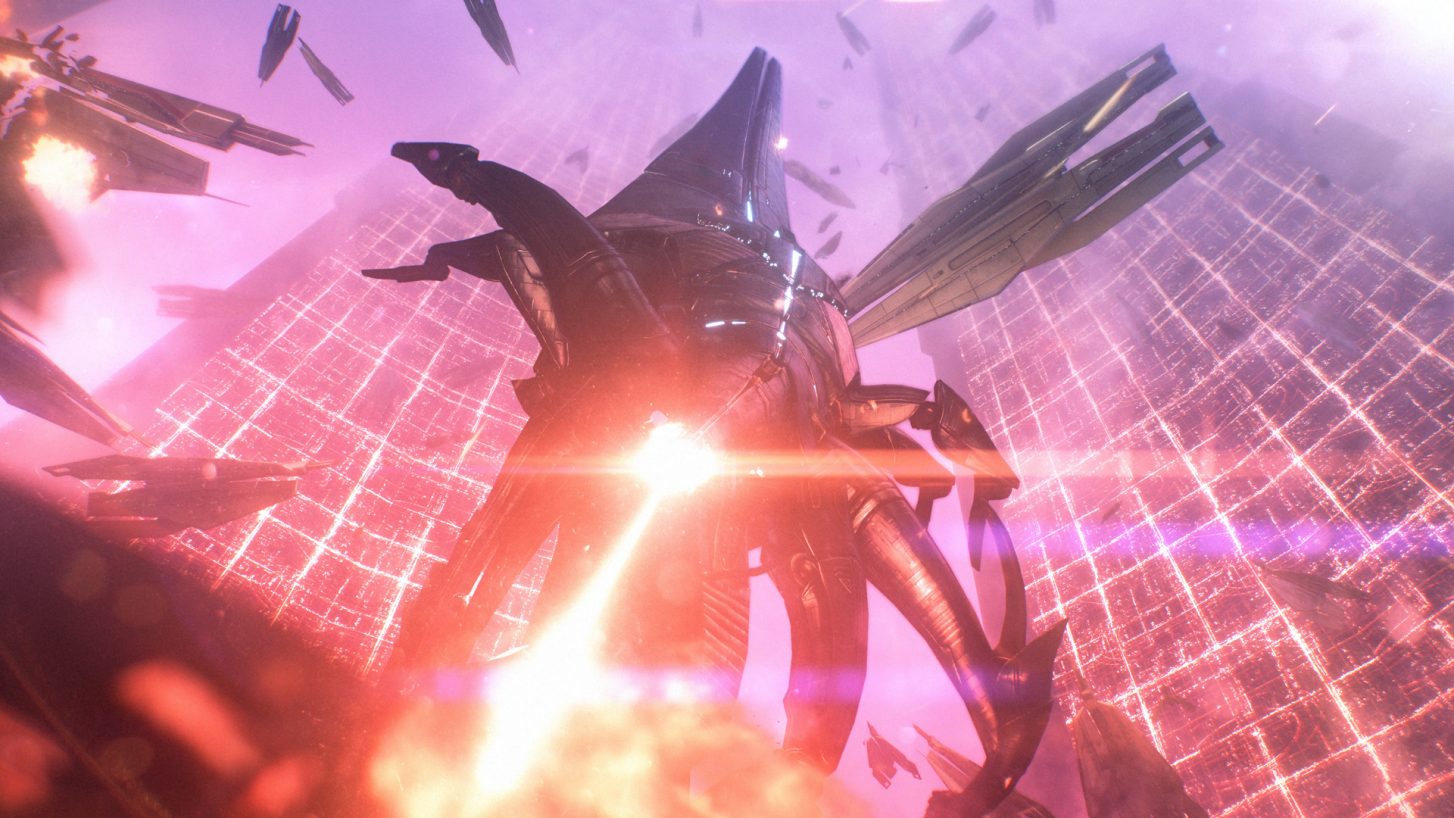
"I commend close to a week about after we had launched [the game], we'd seen wholly these excellent dangerous reviews," remembered BioWare general manager Aaryn Flynn in an interview with Game Informer in 2016. "So all of a sudden people were saying, 'I felt the ending was weak.' And somebody would say, 'Yeah, I thought it was actually pretty bad.' And person else would say, 'I hated that finish.' IT just snowballed like crazy, and pretty soon the completely issue was flaming."
As the dust settled, it was clear that this crippled, and all games, would forever live a collaboration with its respective profession.
Would Flynn be surprised right away? Would anyone? We fair watched the verbatim same rhythm two years ago with the final season of HBO's Game of Thrones—another epic that briefly breached into the monoculture—after that serial publication ended with a nonnative, plaintive pule. A blunderbuss of petitions, editorials, and death threats punctured the internet right on cue, but unequal BioWare, HBO hasn't successful any moves to spruce up the conclusion. We are only when a calendar month removed from the final unveiling of the Snyder Cut, after a nation of grieving DC fans trusted that the ideal Justice League film remained locked away deep gone in the Warner Bros coffers. (I theorise they were proven right, in that pillowcase.) The Last of Us Part II is perhaps the virtually profound mutation even so. Fans cancelled pre-orders ahead the game was steady released collectible to the leaked confirmation of the death of a primary character. In umteen ways, the Stack Effect 3 controversy taught us how the careening mechanics of fandom were going to work from here on out.
"We've worked towards the finish of killing [the Reapers] for the past three games," reads the inscription posted on one of those "change the ending" signature drives in 2012. "We shouldn't have to ritual killing anything more to follow the Reapers die. Games are supposed to constitute uplifting and sacred. They should touch our hearts and exhort us to be better people." Information technology goes along, citing a handful of specific secret plan points that the generator wants edited. Shepard needs to live, they write, and BioWare must include an alternative to eliminate the Reapers without also destroying the Geth. Here's another petition, this one with 13,000 cosigners: "We involve for EA and BioWare to deliver us an ending DLC that adds what we want, for our choices to affect the game's end. So if we want to destroy the universe the cycle per second of wipeout continues, and if we get everything perfect we can, just e.g., fancy Liara and Shepard get their dwarfish blue children and suffer old."
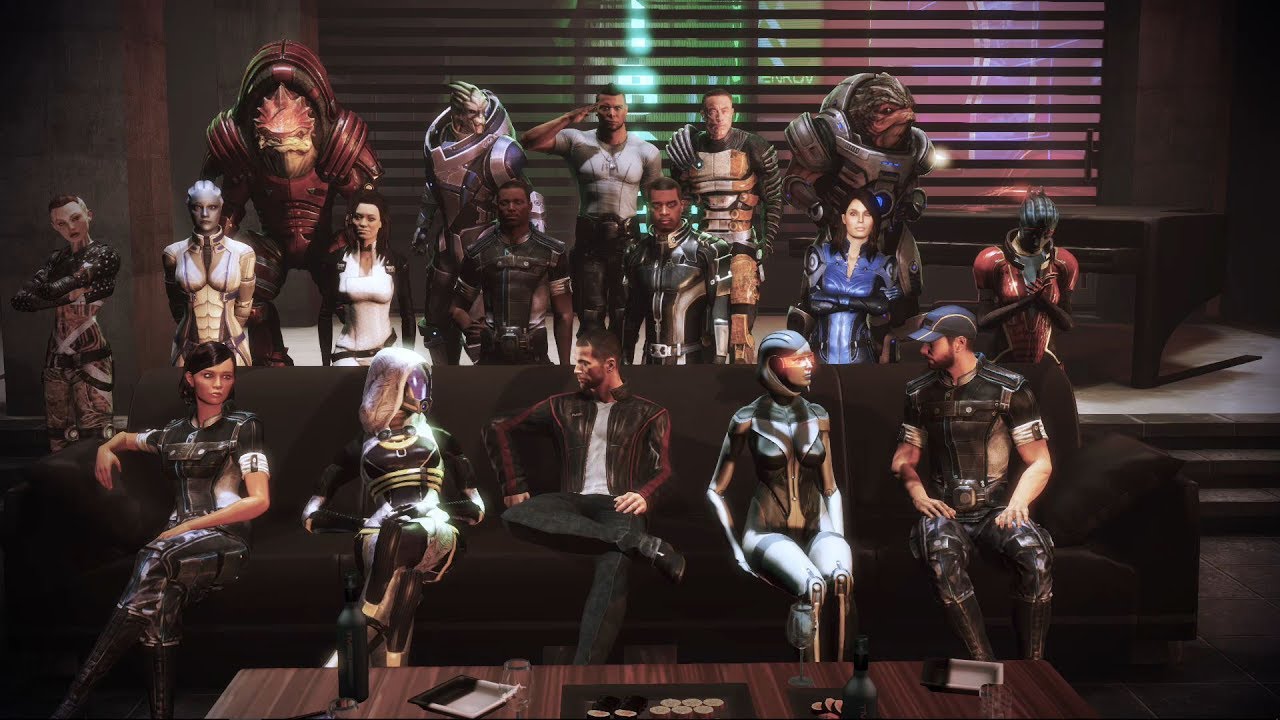
Almost ten years later, I'm much Thomas More comfortable with living with BioWare's risks.
By the closing moments of the trilogy, the Flock Effect contingency had learned to exploit the company's consignment to fan service—howling through the cyberspace until they received an epilogue that was unhampered that burdensome latent hostility Beaver State melancholia. Every bit the dust settled, it was clear that this game, and all games, would forever be a coaction with its respective community. By war or by peace of mind.
None of this means Mass Effect 3's ending wasn't unsatisfactory. The vituperation tossed in BioWare's steering remains vile, juvenile person, and one of the worst parts of gambling polish, only I recall even the all but generous of stans can intromit that the narrative grew cold in its waning moment—revealing the cordial galactic comradery of the series. That said, I find myself nostalgic for the salad days, before the cyberspace grew truly shrill and inescapable. Remember when Hideo Kojima full Solid state Snake in a wardrobe in privilege of a mewling swell named Raiden? There was a positive finality studios wielded when non everything could Be addressed in the next patch. Dissatisfied fans still complained and argued online, merely could only address fanfiction, non boffo petitions, for gratification. Themes and story beats couldn't be finetuned and focus on-tested on the fly. Commander Shepard probably should've ne'er been afforded the opportunity to become a Supreme Being, but almost x days later, I'm much Thomas More comfortable with living with BioWare's risks.
- Mass Effect guide : Everything to know
- Mass Consequence romance : All gettable characters
- Mass Effect finish : How to keep everyone alive

Source: https://www.pcgamer.com/10-years-later-the-mass-effect-3-ending-controversy-still-haunts-gaming-culture/
Posted by: blakelivelyins.blogspot.com
0 Response to "10 years later, the Mass Effect 3 ending controversy still haunts gaming culture | PC Gamer - blakelivelyins"
Post a Comment